
Twój koszyk jest pusty...

 0
Porównywać
0
Porównywać
 0
Kosz
0
Kosz
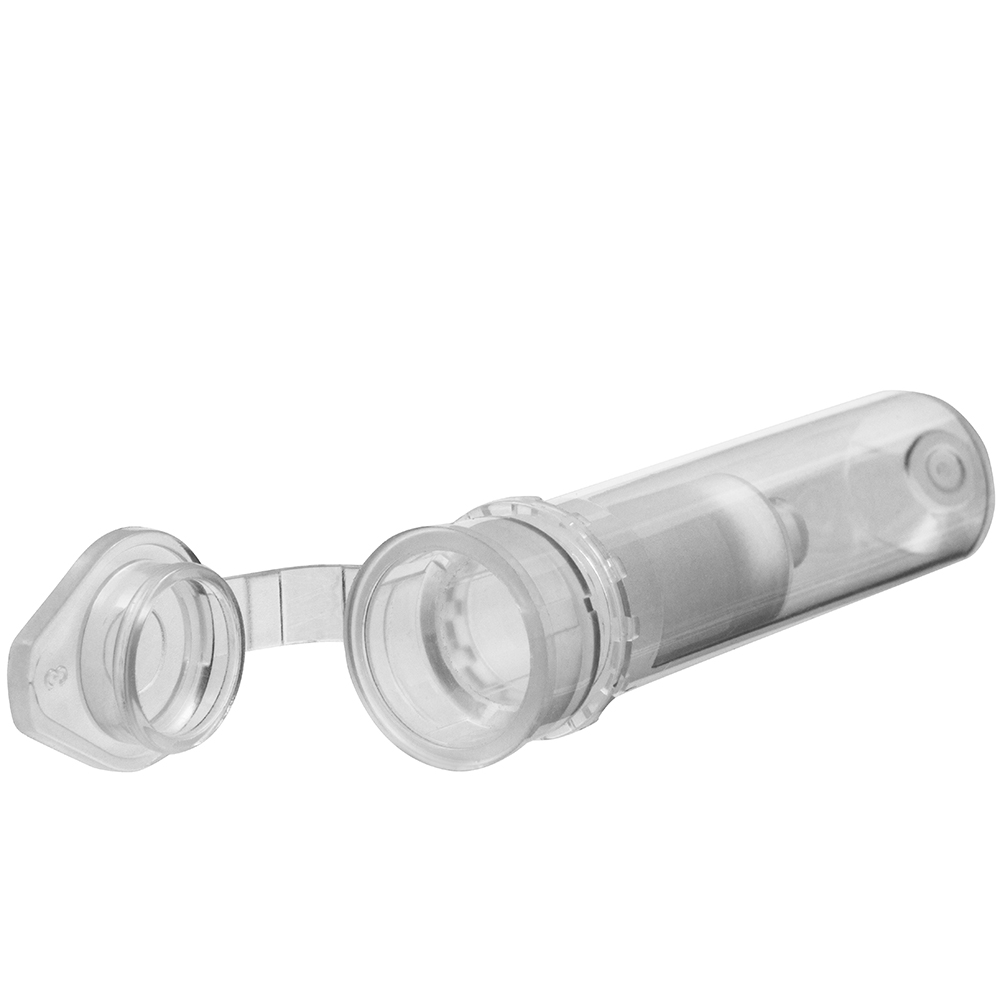
Sorbenty do techniki MSPE dobierane są tak, aby obejmowały jak najszerszy zakres zastosowań. MSPE SpeExtra C18 to hydrofobowy rodzaj oktadecylowego żelu krzemionkowego ze specjalną końcówką o bardzo szerokim zastosowaniu. Nadaje się do szerokiego zakresu analitów, wykazując gorszą retencję dla związków polarnych. MSPE SpeExtra C18-P to modyfikowany polarnie monomeryczny oktadecylowy żel krzemionkowy. Oferuje różne rodzaje oddziaływań: dipol-dipol, π-π i hydrofobowe. Dlatego nadaje się do związków aromatycznych i polarnych. Sorbent polimerowy MSPE SpeExtra HLB o dużej powierzchni właściwej i specjalnej osłonie końcowej. Posiada hydrofilową i lipofilową modyfikację zapewniającą uniwersalne zastosowanie i większą pojemność niż żel krzemionkowy C18.
| Sorbent MSPE | Wielkość cząstek [µm] | Powierzchnia właściwa [m 2 /g] | ||
| C18 | 60 | 310 | ||
| C18-P | 60 | 310 | ||
| HLB | 30 | 850 |
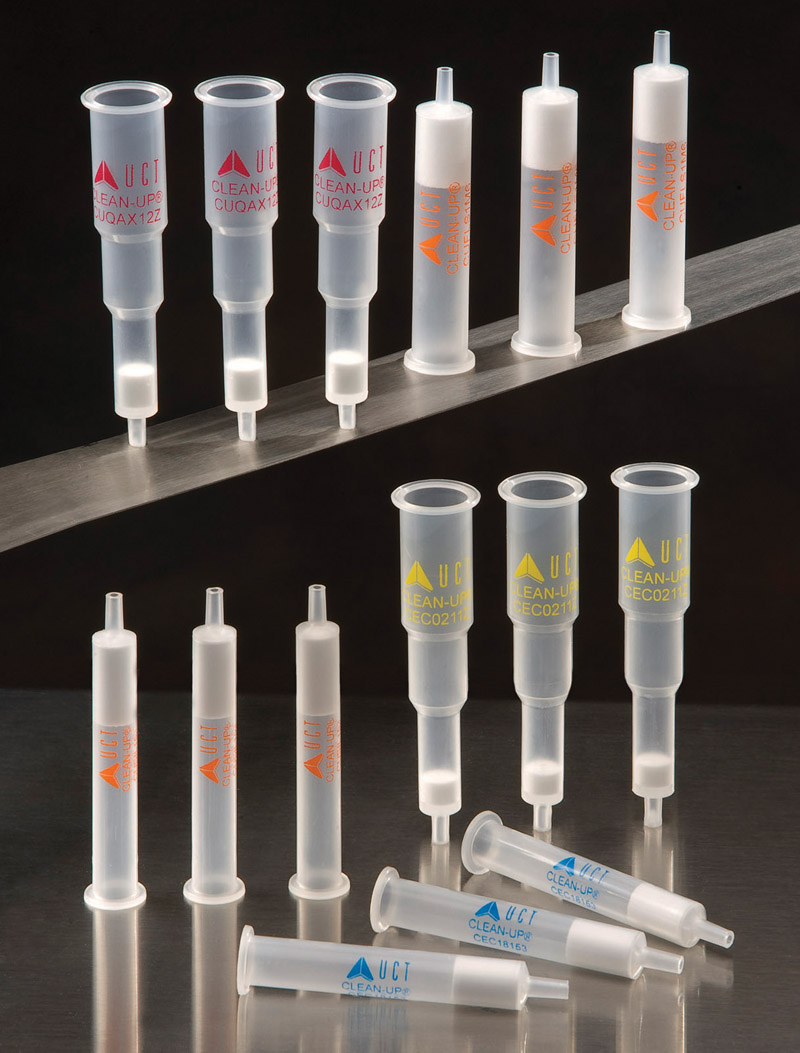
Ta strona zawiera przegląd dostępnych kolumn ekstrakcji fazy stałej (SPE), w tym parametrów technicznych. Dodatkowe informacje o produkcie można znaleźć w katalogu produktów , który zawiera pudełka i dyski SPE, produkty dSPE, kolektory, produkty SPE online i pompy próżniowe.
| Phase | Particle size (µm) | Pore Size (A) | Surface Area (m2/g) | Carbon Load (%) | End Capping | Feature |
|---|---|---|---|---|---|---|
| C2 Ethyl | 60 | 500 | 6,6 | YES/NO | ||
| C4 n-Butyl | 60 | 500 | 8,5 | YES | ||
| C8 Octyl | 60 | 500 | 11,1 | YES/NO | ||
| C18 Octadecyl | 60 | 500 | 21,7 | YES/NO | ||
| C30 Tricontyl | 60 | 500 | 20,0 | YES | ||
| Cyclohexyl | 60 | 500 | 11,6 | YES/NO | ||
| Phenyl | 60 | 500 | 11,0 | YES/NO |
| Phase | Particle size (µm) | Pore Size (A) | Surface Area (m2/g) | Carbon Load (%) | Feature | |
|---|---|---|---|---|---|---|
| Silica | 0,77 | 60 | 500 | N/A | ||
| Diol | 0,77 | 60 | 500 | 8,0 | ||
| Cyanopropyl | 0,77 | 60 | 500 | 9,0 | ||
| Florisil | 0,82 | 60 | 500 | N/A | ||
| Alumina, Acidic | 60 | 500 | N/A | |||
| Alumina, Basic | 60 | 500 | N/A | |||
| Alumina, Neutral | 60 | 500 | N/A | |||
| Carbon | N/A | 120/140 mesh |
Na tej stronie przedstawiamy przegląd dostarczonych faz stacjonarnych do chromatografii gazowej (GC). Każda zawiera szczegółowe informacje na temat swoich funkcji i aplikacji, które są dla nich odpowiednie. W katalogu produktów można następnie wybrać odpowiednią kwarcową lub metalową kolumnę kapilarną do GC.
| Faza stacjonarna | Ograniczenia temperatury | Skład chemiczny | Kod USP |
|---|---|---|---|
| LN-1 | -60 do 370°C | 100% polisiloksanu dimetylu | G2 |
| LN-1 MS | -60 do 370°C | 100% polisiloksanu dimetylu | G2 |
| LN-1 HT | -60 do 430°C | 100% polisiloksanu dimetylu | - |
| LN-5 | -60 do 370°C | 5% difenyl / 95% dimetylopolisiloksan | G27 |
| LN-5 Sil MS | -60 do 370°C | 5% difenyl / 95% dimetylopolisiloksan | G27 |
| LN-5 MS | -60 do 350°C | 5% fenylo-arylen-95% dimetylopolisiloksan | G27 |
| LN-5 HT | -60 do 430°C | 5% difenyl / 95% dimetylopolisiloksan | - |
| LN-35 | 50 do360°C | 35% difenyl / 65% dimetylopolisiloksan | G42 |
| LN-35 HT | -60 do 400°C | 35% difenyl / 65% dimetylopolisiloksan | G42 |
| LN-17 | 40 do 340°C | 50% difenyl / 50% dimetylopolisiloksan | G3 |
| LN-624 | -20 do 260°C | 6% cyjanopropylofenyl / 94% dimetylopolisiloksan | G43 |
| LN-FFAP | 40 do 260°C | Glikol polietylenowy modyfikowany kwasem nitro-tereftalowym | G35 |
| LN-1701 | -20 do 300°C | 14% cyjanopropylofenyl / 86% dimetylopolisiloksan | G46 |
| LN-XLB | 30 do 360°C | Fazy o niskiej polarności | - |
| LN-XLB-HT | 30 do 400°C | Fazy o niskiej polarności | - |
| LN-WAX | 40 do 260°C | Glikol polietylenowy | G16 |
| LN-WAX Plus | 20 do 260°C | Glikol polietylenowy | G16 |

| Faza stacjonarna | Ograniczenia temperatury | Skład chemiczny | Kod USP |
|---|---|---|---|
| Rxi®-1MS | -60 do 350 ° C | 100% polisiloksanu dimetylu | G2 |
| Rxi®-1HT | -60 do 400 ° C | 100% polisiloksanu dimetylu | - |
| Rxi®-5MS | -60 do 350 ° C | 5% difenyl / 95% dimetylopolisiloksan | G27 |
| Rxi®-5Sil MS | -60 do 350 ° C | faza silarylenowa (selektywność jako 5% fenylo 95% dimetylopolisiloksan) | - |
| Rxi®-5HT | -60 do 400 ° C | 5% difenyl / 95% dimetylopolisiloksan | - |
| Rxi®-XLB | 30 do 360 ° C | Fazy o niskiej polarności | - |
| Rxi®-35Sil MS | 50 do 360 ° C | Faza specyficzna dla aplikacji (selektywność jako 35% difenyl / 65% dimetylopolisiloksan) | - |
| Rxi®-624Sil MS | -60 do 320 ° C | faza silarylenowa (selektywność jako 6% cyjanopropylofenyl / 94% dimetylopolisiloksan) | - |
| Rxi®-17 | 40 do 320 ° C | 50% difenyl / 50% dimetylopolisiloksan | - |
| Rxi®-17Sil MS | 40 do 360 ° C | faza silarylenowa (selektywność jako 100% polisiloksanu fenylometylowego) | G3 |
| Rtx®-1 | -60 do 350 ° C | 100% polisiloksanu dimetylu | G1, G2, G38 |
| Rtx®-1 F i F | -60 do 350 ° C | 100% polisiloksan dimetylu (oplimizowany) | - |
| Rtx®-1PONA | -60 do 340 ° C | 100% polisiloksan dimetylu (oplimizowany) | - |
| Rtx®-2887 | -60 do 360 ° C | 100% polisiloksan dimetylu (oplimizowany) | - |
| Rtx®-5 | -60 do 350 ° C | 5% difenyl / 95% dimetylopolisiloksan | G27, G36 |
| Rtx®-5 Amina | -60 do 315 ° C | 5% difenyl / 95% dimetylopolisiloksan (oplimizowany) | - |
| Rtx-5 PONA | Od 60 do 325 ° C | 5% difenyl / 95% dimetylopolisiloksan (oplimizowany) | - |
| Rtx®-1301 | -20 do 280 ° C | 6% cyjanopropylofenyl / 94% dimetylopolisiloksan | G43 |
| Rtx®-624 | -20 do 240 ° C | 6% cyjanopropylofenyl / 94% dimetylopolisiloksan | G43 |
| Rtx®-20 | -20 do 320 ° C | 20% difenyl / 80% dimetylopolisiloksan | G28, G32 |
| Rtx®-35 | 40 do 320 ° C | 35% difenyl / 65% dimetylopolisiloksan | G42 |
| Rtx®-35 MS | 40 do 320 ° C | 35% difenyl / 65% polisiloksan dimetylu (zoptymalizowany) | G42 |
| Rtx®-35 Amina | 40 do 320 ° C | 35% difenyl / 65% polisiloksan dimetylu (zoptymalizowany) | G42 |
| Rtx®-1701 | -20 do 280 ° C | 14% cyjanopropylofenyl / 86% dimetylopolisiloksan | G46 |
| Rtx®-200 | -20 do 340 ° C | Polisiloksan trifluoropropylometylowy | G6 |
| Rtx®-200MS | -20 do 340 ° C | Polisiloksan trifluoropropylometylowy | G6 |
| Rtx®-50 | 40 do 320 ° C | 100% metylopenylo-polisiloksan | G3 |
| Rtx®-65 | 50 do 300 ° C | 65% difenyl / 35% dimetylopolisiloksan | G17 |
| Rtx®-65TG | 40 do 370 ° C | 65% difenyl / 35% polisiloksan dimetylu (zoptymalizowany) | - |
| Rtx®-225 | 40 do 240 ° C | 50% cyjanopropylometyl / 50% fenylometylopolisiloksan | G7, G19 |
| Rtx®-440 | 20 do 340 ° C | Faza średnio polarna | - |
| Rtx®-Wax | 20 do 250 ° C | Carbowax® glikol polietylenowy | G14, G15, G16 |
| Stabilwax® | 40 do 250 ° C | Carbowax® glikol polietylenowy | G14, G15, G16 |
| Stabilwax®-DB | 40 do 250 ° C | Carbowax® glikol polietylenowy | - |
| Stabilwax®-DA | 40 do 250 ° C | Carbowax® glikol polietylenowy | G25, G35 |
| FAMEWAX | 20 do 250 ° C | Glikol polietylenowy | - |
| Rt ™ -CW20M F & F | 60 do 220 ° C | Carbowax® glikol polietylenowy | - |
| Rt™ -2330 | 0-275 ° C | Polisiloksan bis-cyjanopropylowy | G48 |
| Rt™ -2560 | 20 do 250 ° C | 90% biscyanopropyl / 10% fenylo-cyjanopropylopolisiloksan | - |
| Stx™ -500 | -60 do 380 ° C | Karboran / dimetylopolisiloksan | - |
| Rtx®-VMS | -40 do 260 ° C | Faza specyficzna dla aplikacji | - |
| Rtx®-502,2 | -20 do 270 ° C | Faza specyficzna dla aplikacji | - |
| Rtx®-VRX | -40 do 260 ° C | Faza specyficzna dla aplikacji | - |
| Rtx®-VGC | -40 do 260 ° C | Faza specyficzna dla aplikacji | - |
| Rtx®-Volatiles | -20 do 280 ° C | Faza specyficzna dla aplikacji | - |
| Rtx®-CLP pestycydy | -60 do 340 ° C | Faza specyficzna dla aplikacji | - |
| Rtx®-CLPesticides2 | -60 do 340 ° C | Faza specyficzna dla aplikacji | - |
| Stx™ -CLPestycydy | -60 do 330 ° C | Faza specyficzna dla aplikacji | - |
| Stx™ -CLPesticides2 | -60 do 330 ° C | Faza specyficzna dla aplikacji | - |
| Rtx®-OPPesticides | -20 do 330 ° C | Faza specyficzna dla aplikacji | - |
| Rtx®-OPPesticides2 | -20 do 330 ° C | Faza specyficzna dla aplikacji | - |
| Rtx®-Dioxin | -60 do 380 ° C | Faza specyficzna dla aplikacji | - |
| Rtx®-Dioxin2 | 20 do 340 ° C | Faza specyficzna dla aplikacji | - |
| Rtx®-PCB | 30 do 340 ° C | Faza specyficzna dla aplikacji | - |
| Rtx®-1614 | -60 do 360 ° C | Faza specyficzna dla aplikacji | - |
| Rt™ -PAH | 80 do 285 ° C | Faza ciekłokrystaliczna | - |
| Rtx®-TNT | -20 do 310 ° C | Faza specyficzna dla aplikacji | - |
| Rtx®-TNT 2 | -20 do 310 ° C | Faza specyficzna dla aplikacji | - |
| Rtx®-Biodiesel TG | do 380 ° C | Faza specyficzna dla aplikacji | - |
| Rt™ -TCEP | 0 do 135 ° C | 1,2,3-tris [2-cyjanoetoksy] propan | - |
| Rtx®-BAC1 | -20 do 260 ° C | Faza specyficzna dla aplikacji | - |
| Rtx®-BAC2 | -20 do 260 ° C | Faza specyficzna dla aplikacji | - |
| Rt™ -ßDEXcst | 40 do 230 ° C | Faza chiralna | - |
| Rt™ -βDEXm | 40 do 230 ° C | Faza chiralna | - |
| Rt™ -ßDEXsa | 40 do 230 ° C | Faza chiralna | - |
| Rt™ -ßDEXse | 40 do 230 ° C | Faza chiralna | - |
| Rt™ -ßDEXsm | 40 do 230 ° C | Faza chiralna | - |
| Rt™ -ßDEXsp | 40 do 230 ° C | Faza chiralna | - |
| Rt™ -yDEXsa | 40 do 230 ° C | Faza chiralna | - |
| Faza stacjonarna | Ograniczenia temperatury | Skład chemiczny | Kod USP |
|---|---|---|---|
| MXT®-1 | -60 do 430 ° C | 100% polisiloksanu dimetylu | G1, G2, G38 |
| MXT®-1HT SimDist | -60 do 430 ° C | Faza specyficzna dla aplikacji | - |
| MXT®-1 SimDist | -60 do 430 ° C | Faza specyficzna dla aplikacji | - |
| MXT®-2887 | -60 do 400 ° C | Faza specyficzna dla aplikacji | - |
| MXT®-5 | -60 do 430 ° C | 5% difenyl / 95% dimetylopolisiloksan | G27, G36 |
| MXT®-20 | -20 do 320 ° C | 20% difenyl / 80% dimetylopolisiloksan | G28, G32 |
| MXT®-35 | 0 do 310 ° C | 35% difenyl / 65% dimetylopolisiloksan | G42 |
| MXT®-50 | 0 do 290 ° C | 100% metylopenylo-polisiloksan | G3 |
| MXT®-65 | 50 do 300 ° C | 65% difenyl / 35% dimetylopolisiloksan | G17 |
| MXT®-65TG | 20 do 370 ° C | 65% difenyl / 35% polisiloksan dimetylu (zoptymalizowany) | - |
| MXT®-624 | -20 do 240 ° C | 6% cyjanopropylofenyl / 94% dimetylopolisiloksan | G43 |
| MXT®-1301 | -20 do 280 ° C | 6% cyjanopropylofenyl / 94% dimetylopolisiloksan | G43 |
| MXT®-1701 | -20 do 280 ° C | 14% cyjanopropylofenyl / 86% dimetylopolisiloksan | G46 |
| MXT®-200 | -20 do 400 ° C | Polisiloksan trifluoropropylometylowy | G6 |
| MXT®-WAX | 40 do 260 ° C | Carbowax® glikol polietylenowy | G14, G15, G16 |
| MXT®-500 SimDist | -60 do 430 ° C | Węglowodorowo-siloksanowy polimer | - |
| MXT®-502.2 | -20 do 270 ° C | Faza specyficzna dla aplikacji | - |
| MXT®-Biodiesel TG | -60 do 430 ° C | Faza specyficzna dla aplikacji | - |
| MXT®-Volatiles | -20 do 280 ° C | Faza specyficzna dla aplikacji | - |
| Faza stacjonarna | Ograniczenia temperatury | Skład chemiczny | Kod USP |
|---|---|---|---|
| Rt®-Alumina BOND | do 200 ° C | Al 2 O 3 (dezaktywacja Na 2 SO 4 ) | - |
| Rt®-Alumina BOND | do 200 ° C | Al 2 O 3 (dezaktywacja KCl) | |
| Rt®-Msieve 13X | do 300 ° C | Ekran cząsteczki 13X | - |
| Rt®-Msieve 5A | do 300 ° C | Sito molekularne 5A | - |
| Rt®-Q-BOND | do 320 ° C | 100% diwinylobenzenu | - |
| Rt®-QS-BOND | do 250 ° C | Porowaty homopolimer diwinylobenzenu | - |
| Rt®-S-BOND | do 250 ° C | Diwinylobenzen 4-winylopirydyna | - |
| Rt®-U-BOND | do 190 ° C | Diwinylobenzen glikol etylenowy / akrylan dimetylu | - |
| Faza stacjonarna | Ograniczenie temperatury | Skład chemiczny | Kod USP |
|---|---|---|---|
| Mtx®-Alumina Bond | do 200 ° C | Al 2 O 3 (dezaktywacja Na 2 SO 4 ) | - |
| Mtx®-MSieve 5A | do 300 ° C | Sito molekularne 5A | - |
| Faza stacjonarna | Ograniczenia temperatury | Skład chemiczny | Kod USP |
|---|---|---|---|
| forte BP1 | -60 do 360 ° C | 100% polisiloksanu dimetylu | G1, G2, G38 |
| forte SolGel 1MS | 0 do 380 ° C | 100% polisiloksanu dimetylu | G1, G2, G38 |
| forte BPX1 | -30 do 430 ° C | 100% polisiloksan dimetylu (zoptymalizowany) | - |
| forte BP1 PONA | -60 do 360 ° C | 100% polisiloksan dimetylu (zoptymalizowany) | - |
| forte BP5 | -60 do 360 ° C | 5% fenylo-metylo-polisiloksan | G28, G32 |
| forte BPX5 | -40 do 370 ° C | 5% fenylopolisilofenylenosiloksan | - |
| forte HT5 | 10 do 400 ° C | 5% fenylo-polikarbonu siloksanu | - |
| forte HT8 | -20 do 370 ° C | 8% polisiarczan fenylo-polikarbonu | - |
| forte BPX35 | 0 do 370 ° C | 35% polisilofenylenosiloksanu fenylu | G42 |
| forte BPX608 | 0 do 370 ° C | 35% polisilofenylenosiloksanu fenylu | G42 |
| forte BPX50 | 20 do 370 ° C | 50% polisilofenylenosiloksanu fenylu | G3 |
| forte BPX70 | 50 do 260 ° C | 70% cyjanopropylopolisilofenylenosiloksanu | G48 |
| forte BPX90 | do 280 ° C | 90% cyjanopropylopolisilofenylenosiloksanu | - |
| SolGel-WAX | 30 do 300 ° C | Glikol polietylenowy (PEG) | G14, G15, G16 |
| forte BP20 (WAX) | 20-280 ° C | Glikol polietylenowy (PEG) | G14, G15, G16 |
| forte BP21 (FFAP) | 35 do 250 ° C | Glikol polietylenowy (zoptymalizowany pod względem PEG) | G25, G35 |
| forte BP10 (1701) | -20 do 300 ° C | 14% cyjanopropylofenylopolisiloksanu | G46 |
| forte BP225 | 40 do 260 ° C | 50% cyjanopropylofenylopolisiloksanu | G7, G19 |
| forte BPX-Volatiles | 0 do 300 ° C | Cyjanopropylofenylopolisiloksan | G43 |
| forte BP624 | 0 do 240 ° C | Cyjanopropylofenylopolisiloksan | G43 |
| forte CYDEX-B | 30 do 240 ° C | Faza chiralna | - |
| Typ fazy | Wielkość cząstek (µm) | Rozmiar porów (Å) | Efektywna powierzchnia (m 2 / g) | Zawartość węgla (%) | Zakres pH |
|---|---|---|---|---|---|
| Raptor ARC-C18 | 1.8 | 90 | 125 | prywatny | 1,0-8,0 |
| Raptor ARC-C18 | 2.7 | 90 | 130 | prywatny | 1,0-8,0 |
| Raptor ARC-C18 | 5.0 | 90 | 100 | prywatny | 1,0-8,0 |
| Raptor C18 | 1.8 | 90 | 125 | prywatny | 2,0-8,0 |
| Raptor C18 | 2.7 | 90 | 130 | prywatny | 2,0-8,0 |
| Raptor C18 | 5.0 | 90 | 100 | prywatny | 2,0-8,0 |
| Raptor Bifenyl | 1.8 | 90 | 125 | prywatny | 1,5-8,0 |
| Raptor Bifenyl | 2.7 | 90 | 130 | prywatny | 1,5-8,0 |
| Raptor Bifenyl | 5.0 | 90 | 100 | prywatny | 1,5-8,0 |
| Raptor Fluorofenyl | 1.8 | 90 | 125 | prywatny | 2,0-8,0 |
| Raptor Fluorofenyl | 2.7 | 90 | 130 | prywatny | 2,0-8,0 |
| Raptor Fluorofenyl | 5.0 | 90 | 100 | prywatny | 2,0-8,0 |
| Raptor EtG / EtS | 2.7 | 90 | 130 | prywatny | 2,0-8,0 |
Maksymalne ciśnienie kolumn Raptor wynosi: 1,034 bar (1,8 μm), 600 bar (2,7 μm); 400 barów (5 μm). Aby zapewnić dłuższą żywotność, zalecamy ciśnienie dla kolumn 1,8 µm o maksymalnej wartości 830 barów.
| Typ fazy | Wielkość cząstek V (µm) | Rozmiar porów (Å) | Powierzchnia (m 2 / g) | % węgla | Zakres pH |
|---|---|---|---|---|---|
| Pinnacle DB C18 | 1.9 | 140 | 11 | 2,5-10,0 | |
| Wodny Pinnacle DB C18 | 1.9 | 140 | 6 | 2,5-7,5 | |
| Pinnacle DB C8 | 1.9 | 140 | 6 | 2,5-10,0 | |
| Pinnacle DB CN | 1.9 | 140 | 4 | 2,5-7,5 | |
| Pinnacle DB PFP | 1.9 | 140 | 6 | 2,5-7,5 | |
| Pinnacle DB Biphenyl | 1.9 | 140 | 8 | 2,5-7,5 | |
| Pinnacle DB IBD | 1.9 | 140 | - | 2,5-7,5 | |
| Pinnacle DB Silica | 1.9 | 140 | - | 2,5-10,0 |
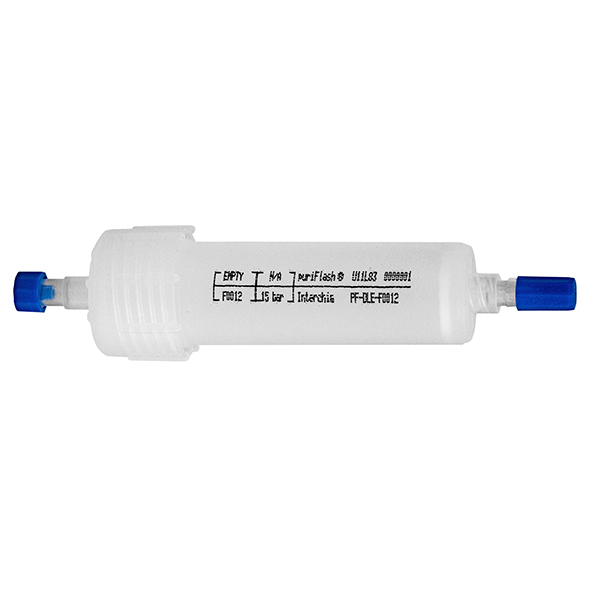
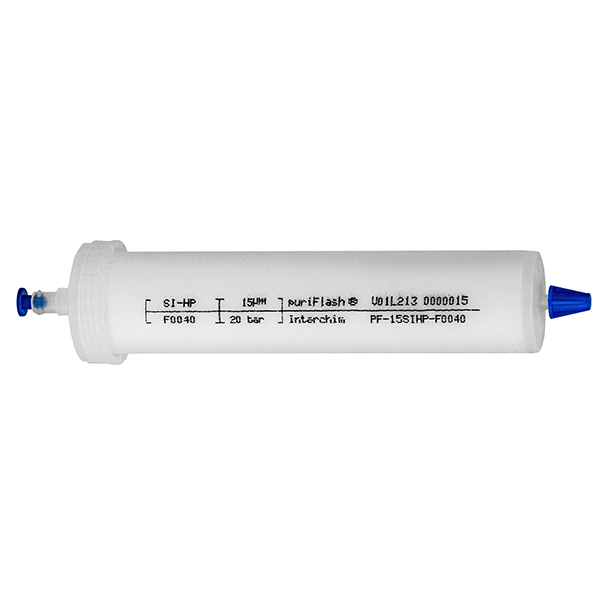
Firma Interchim opracowała nową technologię Ultra Performance Flash Purification (UPFP) , wykorzystującą specjalne pudełka flash, które wykorzystują zwykły lub nieregularny żel krzemionkowy. UPFP umożliwia oczyszczanie związków w celu uzyskania wysokiej czystości i mniejszego zużycia rozpuszczalnika.
Wybór kolumn Flash jest dostępny na tej stronie .
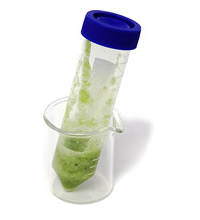 QuEChERS ( "łapacze") - yb ki, E ASY, Ch PW, E fektywny, ugged R i S AFE - został opracowany i opublikowany przez Instytut amerykańskiego Departamentu Rolnictwa Eastern Regional Research Center w Wyndmoor, PA. (1) Badacze poszukiwali prostego, wydajnego i niedrogiego sposobu wydobywania i oczyszczania próbek do analizy pozostałości pestycydów w celu zastąpienia zmodyfikowanych metod ekstrakcji, które są wysoce wydajne i niezawodne, ale również kosztowne w przypadku sprzętu laboratoryjnego. Ekstrakcja w fazie stałej (SPE) jest również skuteczną metodą, ale w przypadku złożonych matryc należy użyć wielu kolumn z różnymi sorbentami, aby usunąć wiele przeszkadzających substancji. Nowa metoda QuEChERS usuwa węglowodany, lipidy, kwasy organiczne, sterole, białka, barwniki i wodę. To proste i niedrogie.
Zespół naukowców opracował prostą, dwuetapową formułę. Pierwszym etapem procedury jest ekstrakcja homogenizowanej próbki i frakcjonowanie za pomocą rozpuszczalnika organicznego i roztworów soli. Drugim etapem jest ekstrakcja i oczyszczanie warstwy organicznej przy użyciu technik dyspersyjnych SPE. Do mieszaniny adsorbentów dodano 1 ml rozpuszczalnika organicznego z Etapu 1, zawartość dokładnie wymieszano i odwirowano. Teraz czysty ekstrakt jest przygotowany do analizy za pomocą różnych technik GC i HPLC. (2) Dane walidacyjne metody QuEChERS są dostępne dla szerokiej gamy pestycydów w kilku popularnych produktach spożywczych na stronie www.quechers.com .
Zastosowaną rozproszoną metodę SPE, ilość i rodzaj adsorbentów, pH lub polarność rozpuszczalnika można łatwo zoptymalizować dla różnych matryc i analitów. Wyniki tej procedury są sprawdzane i kategoryzowane kilka USDA (US Dep. Rolnictwa) i administracyjne laboratoria żywności i są w pełni akceptowane przez wiele macierzy resztkowego analizy pestycydów.
Resprep ™ dodatkowo upraszcza ten proces. W probówkach wirówkowych dostępnych w rozmiarach 2 i 15 ml znajduje się siarczan magnezu (usuwanie wody z frakcji organicznej) i adsorbent PSA * (usuwanie węglowodanów i kwasów tłuszczowych), dodatek grafityzowanego węgla (usuwanie pigmentów i steroli) lub adsorbent C18 usuwanie niepolarnych substancji zakłócających).
Jeśli nie jesteś zadowolony z czasu i kwoty kosztów finansowych poświęconych na przygotowanie próbki do analizy pozostałości pestycydów, spróbuj tej nowej prostej i ekonomicznej metody.
Więcej informacji o poszczególnych produktach można znaleźć tutaj .
Odniesienie:

Igły BIN mają różne fazy SPE. Wymiary złoża sorbentu zapewniają, że pojemność sorpcyjna sorbentu jest identyczna z konwencjonalną SPE. Przygotowanie próbek złożonych matryc biologicznych jest proste w przypadku MEPS i zmniejsza objętość próbek i używanych odczynników w porównaniu z SPE lub innymi "technikami mikroekstrakcji". MEPS wykorzystuje fazę odwróconą, fazę normalną, tryb mieszany i rozdział wymiany jonowej. Ponieważ MEPS pozwala na małe objętości (do 10 μL), jest to odpowiednia technika bezpośredniego połączenia z systemami LC-MS. Obecny asortyment strzykawek umożliwia ręczne używanie lub używanie automatycznych dozowników Thermo Scientific, CTC Analytics, HTA 300APlus i Varian 8400 bez konieczności ich dostosowywania. Igły BIN są przeznaczone do aplikacji LC i GC. Igły są pakowane w 5-warstwowe folie zgrzewane.
| Faza | Rozmiar cząstek (μm) | Wielkość porów (A) |
|---|---|---|
| Żel krzemionkowy | 45 | 60 |
| C2 | 45 | 60 |
| C8 | 45 | 60 |
| C8 + SCX * | 45 | 60 |
| C18 | 45 | 60 |
* Igły C8 + SCX BIN oznaczone są jako M1.
Igły BIN można zwykle stosować do 40-100 ekstrakcji. Typowy czas przygotowania próbki to 1 - 2 minuty.
 GC, HPLC, SPE, FLASH lub chromatografia preparatywna wykorzystują szeroki zakres stacjonarnych faz. Na tych stronach znajdziesz więcej informacji o każdym typie.
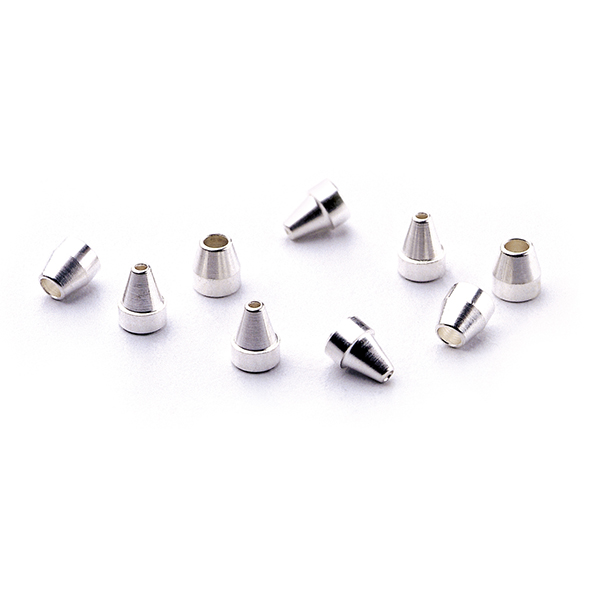 Okucia silikonowe są unikalnymi metalowymi okuciami zaprojektowanymi do łączenia kapilarnych kolumn kwarcowych GC i kapilar z spektrometrami masowymi i wtryskiwaczami GC. Już po pierwszym prawidłowym dokręceniu, tuleje silikonowe zapewniają szczelne połączenia nawet po wielu cyklach temperaturowych bez potrzeby dalszych danych. Okucia silikonowe są stosowane w połączeniu z nakrętkami i kształtkami SGE SilTite z numerami katalogowymi:
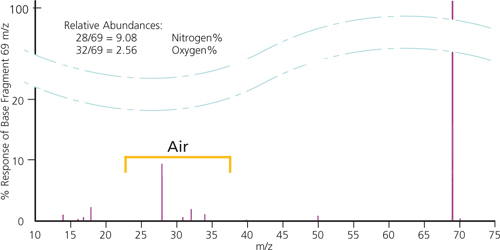
Rysunek 1. Ślady powietrza w systemie MS po 5 cyklach temperaturowych za pomocą wozów Vespel / grafit.
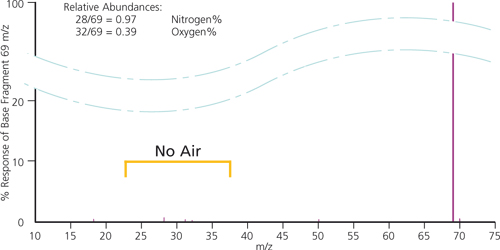
Rysunek 2. Widmo MS po 5 cyklach temperaturowych przy użyciu promów Sillete. (W przypadku MS nie występują żadne przecieki nawet po 400 cyklach temperaturowych od 70 ° C do 400 ° C).